RESOURCES
What Is LEED? Overview of the World’s Most Popular Certification System
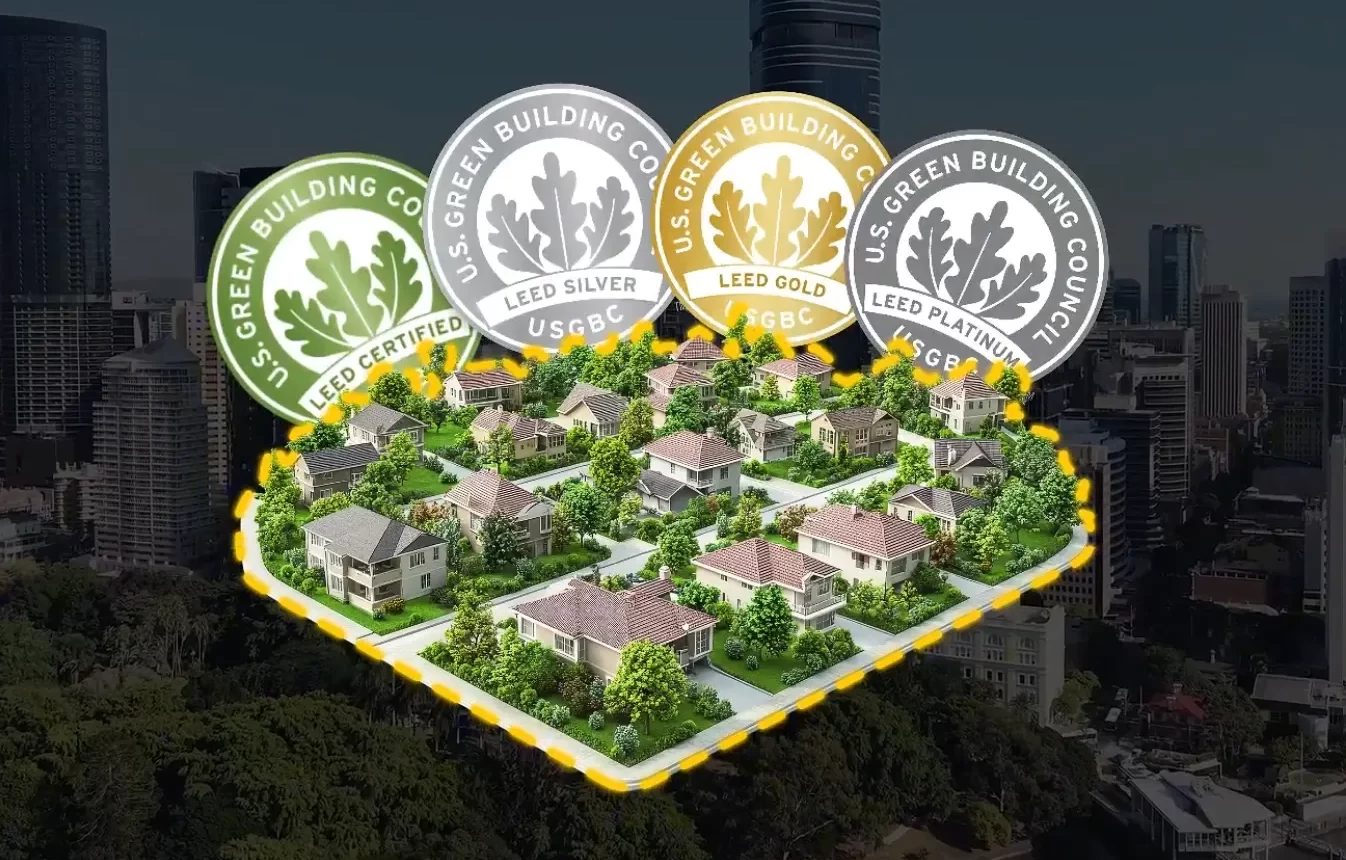
As green building becomes a The Core Strategy of the Market, LEED is the name most often mentioned when Developers (Clients) begin exploring green certification. In 2025, Vietnam entered the world’s Top 10 for total LEED-certified floor area for the first time, with around 100 projects and 2.6 million m² — a leap up from 28th place just two years earlier.
However, knowing the name is not the same as understanding the system. Many developers still assume that LEED is simply about adding green features to a building — installing solar panels, planting more trees, or using recycled materials. In reality, LEED evaluates a building’s overall performance based on engineering data, rather than listing surface-level “green” features.
This article clarifies how LEED assessment actually works, the financial value the system brings, and how Edeec implements LEED from an engineering–financial perspective.
What Is LEED?
LEED (Leadership in Energy and Environmental Design) is a green building certification system developed by the U.S. Green Building Council (USGBC) and administered by GBCI (Green Business Certification Inc.). Launched in 1995, LEED has since been applied in more than 180 countries and territories, becoming the world’s most widely used green building rating system.
TO UNDERSTAND LEED CERTIFICATION QUICKLY, WATCH THE VIDEO BELOW
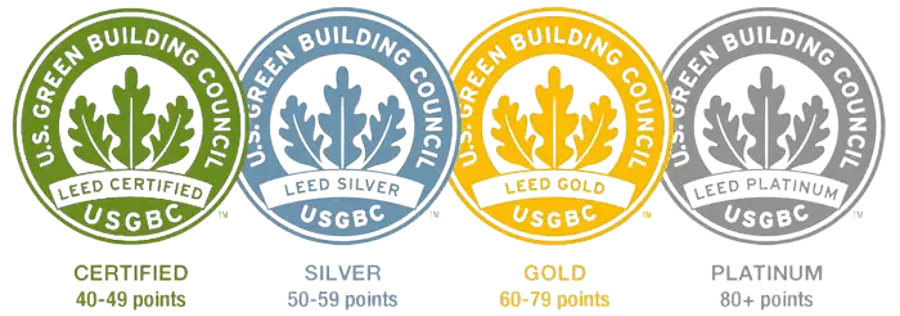
LEED certification levels
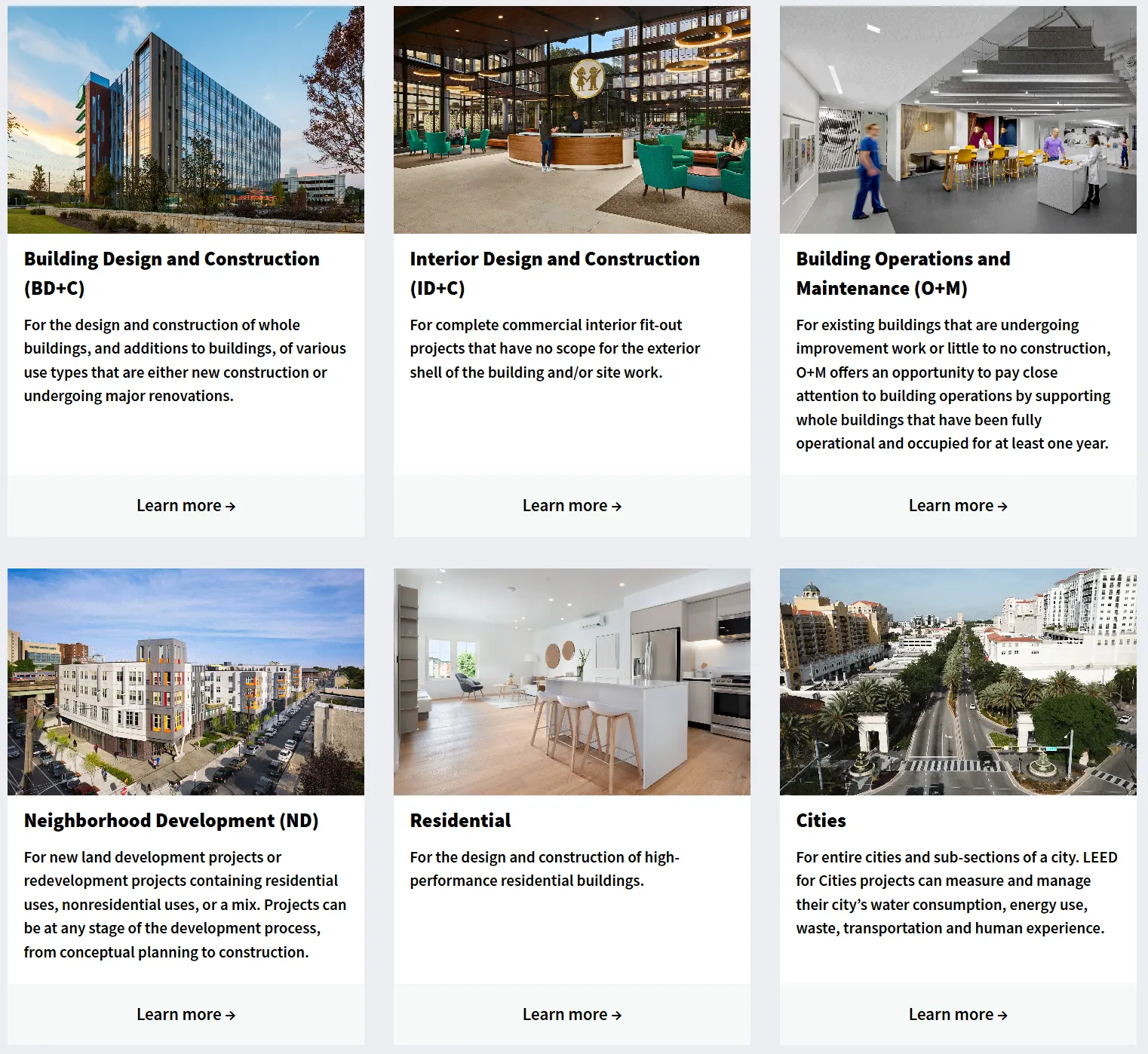
LEED rating systems
- LEED Building Design and Construction (LEED BD+C)
- LEED Interior Design and Construction (LEED ID+C)
- LEED Building Operations and Maintenance (LEED O+M)
- LEED for Cities and Communities
- LEED Residential
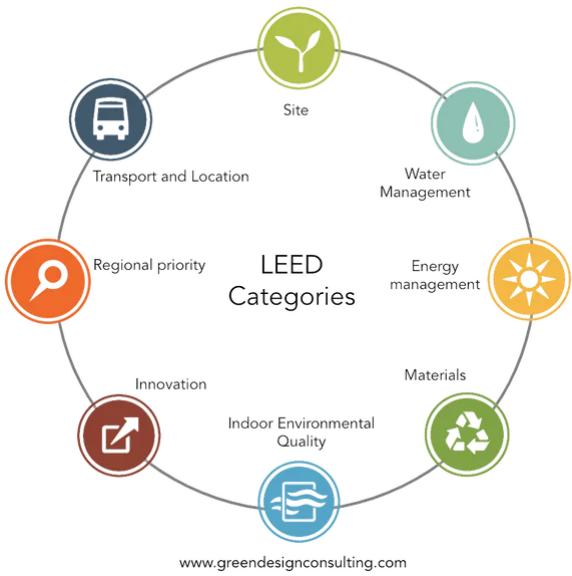
LEED Credit Categories
- Integrative Process
- Location & Transportation
- Sustainable Sites
- Water Efficiency
- Energy & Atmosphere
- Materials & Resources
- Indoor Environmental Quality
- Innovation
- Regional Priority
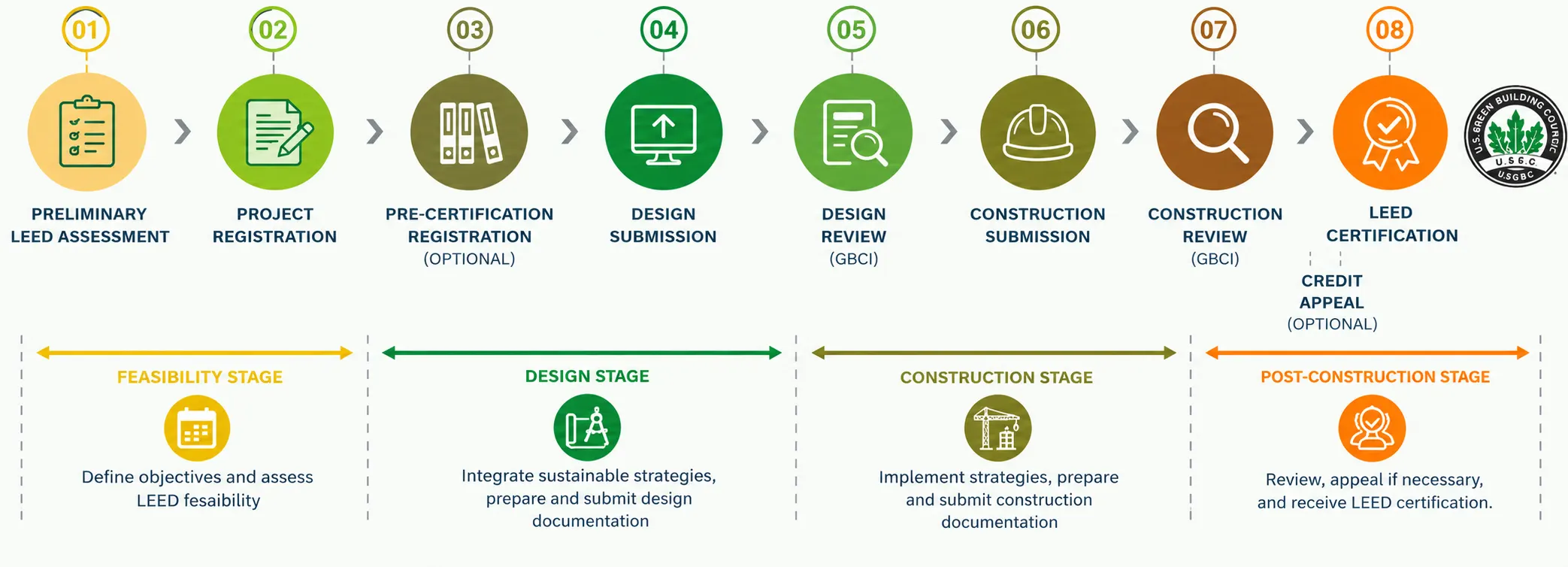
The LEED Process
Version Transition Timeline
LEED v4.1 remains open for registration for the applicable rating systems, with a new-registration deadline of June 30, 2027. After that date, LEED v5 will become the version for new registrations under the commercial rating systems BD+C, ID+C, and O+M.
LEED v.5 marks a major shift by placing climate action at its core, with 50% of the available points directly linked to decarbonization targets. Prerequisites become more stringent: buildings must project their operational carbon, assess climate resilience, and minimize material life-cycle impacts. This structure of LEED v.5 is designed to be fully compatible with modern global sustainable finance frameworks.
LEED v5 update at
LEED Registration Fees per USGBC
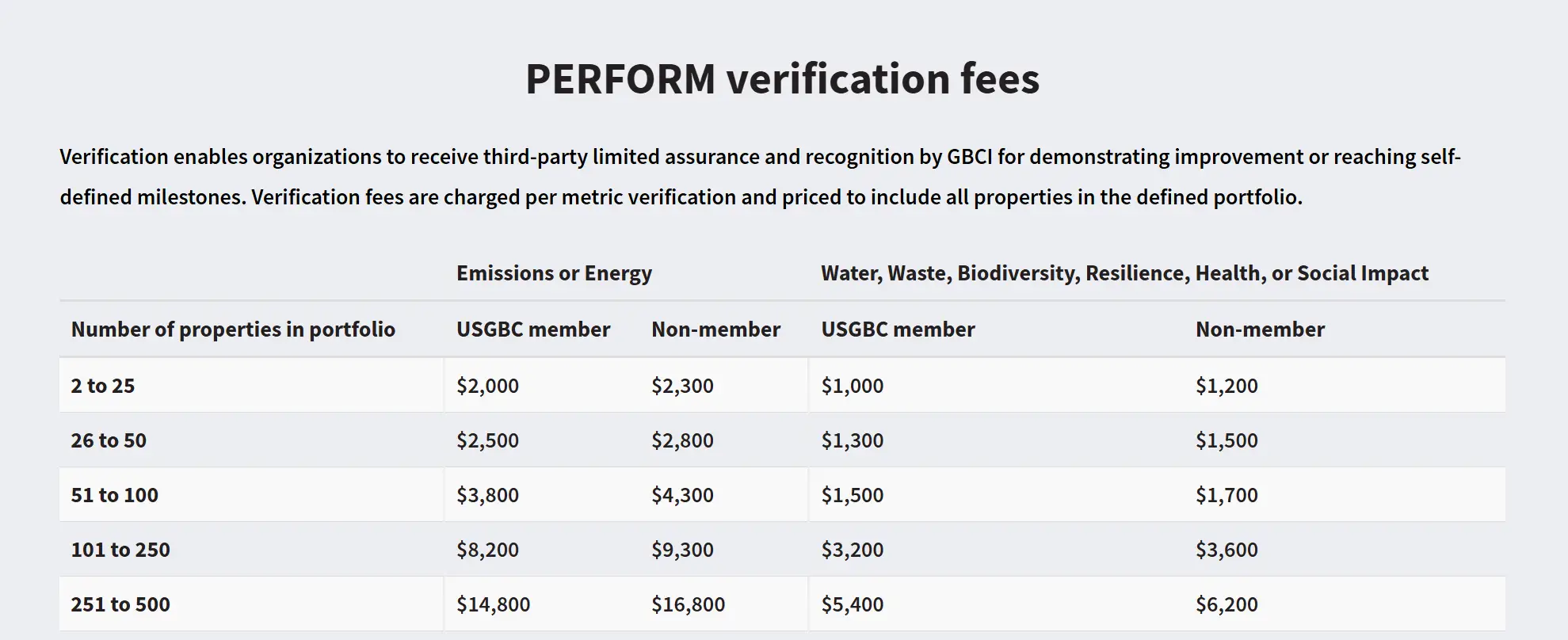
Source: https://www.usgbc.org/leed
Tham khảo thêm các loại phí khác tại: https://www.usgbc.org/tools/leed-certification/fees
Advanced Certification – LEED Zero
Beyond the levels above, LEED also offers LEED Zero for projects that go beyond conventional green certification and want to prove net-zero performance in operation. LEED Zero currently comprises four certification categories:
- LEED Zero Carbon: pursuing net-zero carbon emissions.
- LEED Zero Energy: pursuing net-zero energy consumption at the source.
- LEED Zero Water: pursuing net-zero potable water use.
- LEED Zero Waste: pursuing the reduction and diversion of waste from landfill.
Learn more about Net Zero solutions at:
- 5 Net Zero Energy Building Examples Worth Emulating
- Green Building Development in Vietnam: Opportunities & Challenges
How Edeec Implements LEED from an Engineering – Financial Perspective
The core difference in Edeec’s LEED approach is deep Integrated Energy Simulation. Instead of waiting for the design to be completed and then checking how many points the project earns, Edeec introduces energy simulation from the Concept stage.
This approach lets LEED point optimization run simultaneously with whole-building energy simulation, HVAC system optimization, building envelope performance assessment, daylighting and artificial lighting design, indoor environmental quality control, and Commissioning planning. Every technical solution – from window-to-wall ratio (WWR) and glass SHGC to cooling load zoning – is evaluated with quantitative simulation data before it enters the official drawings, rather than relying on rule-of-thumb experience.
Practical results show that this method helps projects reduce OPEX by up to 30% and improve LEED points by 15 – 20% without a significant CAPEX increase, because solutions are optimized within the budget through trade-offs: trimming excess HVAC capacity to fund upgrades to the building envelope or high-efficiency lighting. This is Edeec’s unique advantage: Integrated Technical Optimization – not only delivering a green certification but also optimizing the CAPEX–OPEX structure from the design stage.
Showcase
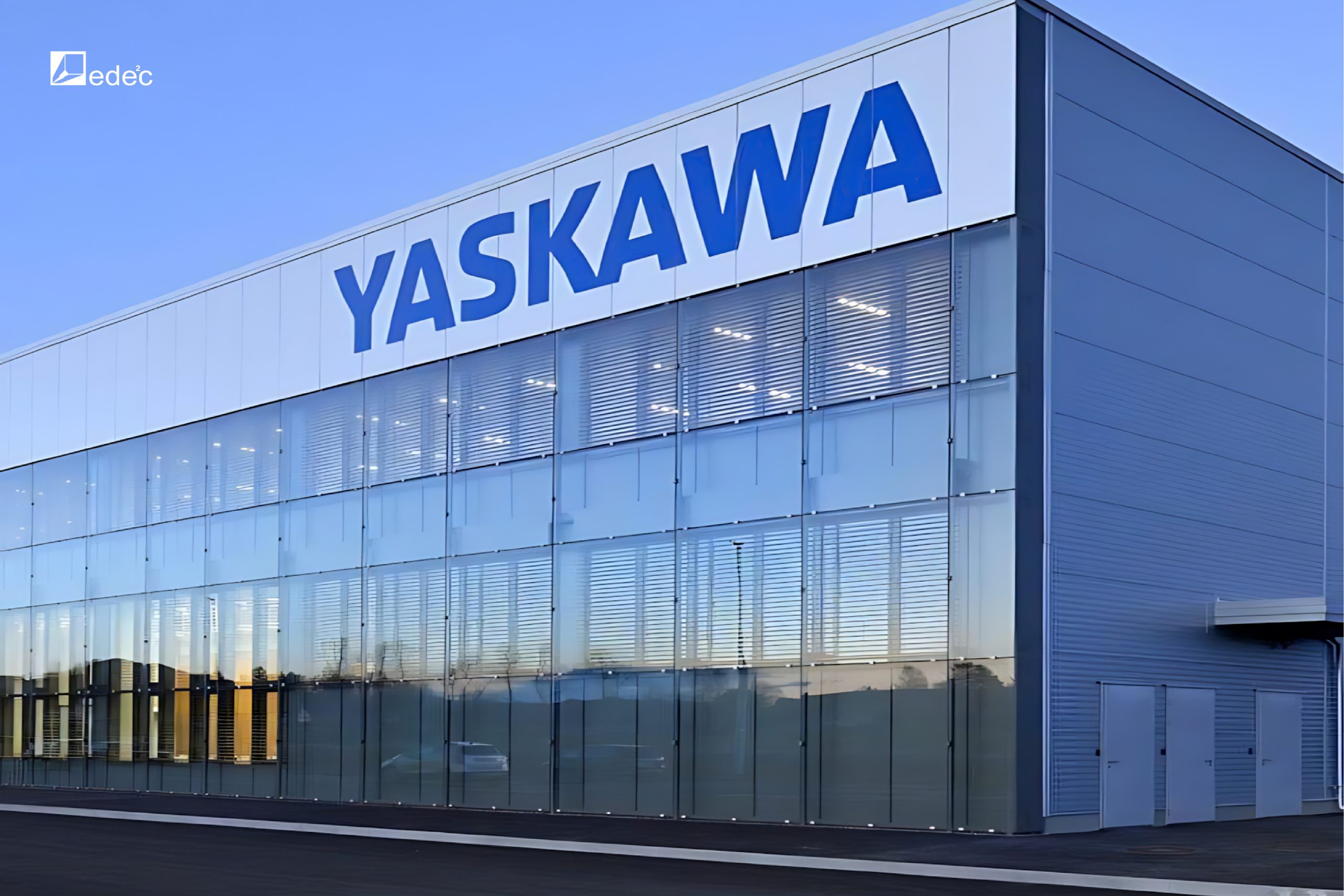
Edeec has supported many LEED certified projects in Vietnam, from office buildings to mixed-use complexes and townships. Notable projects include:
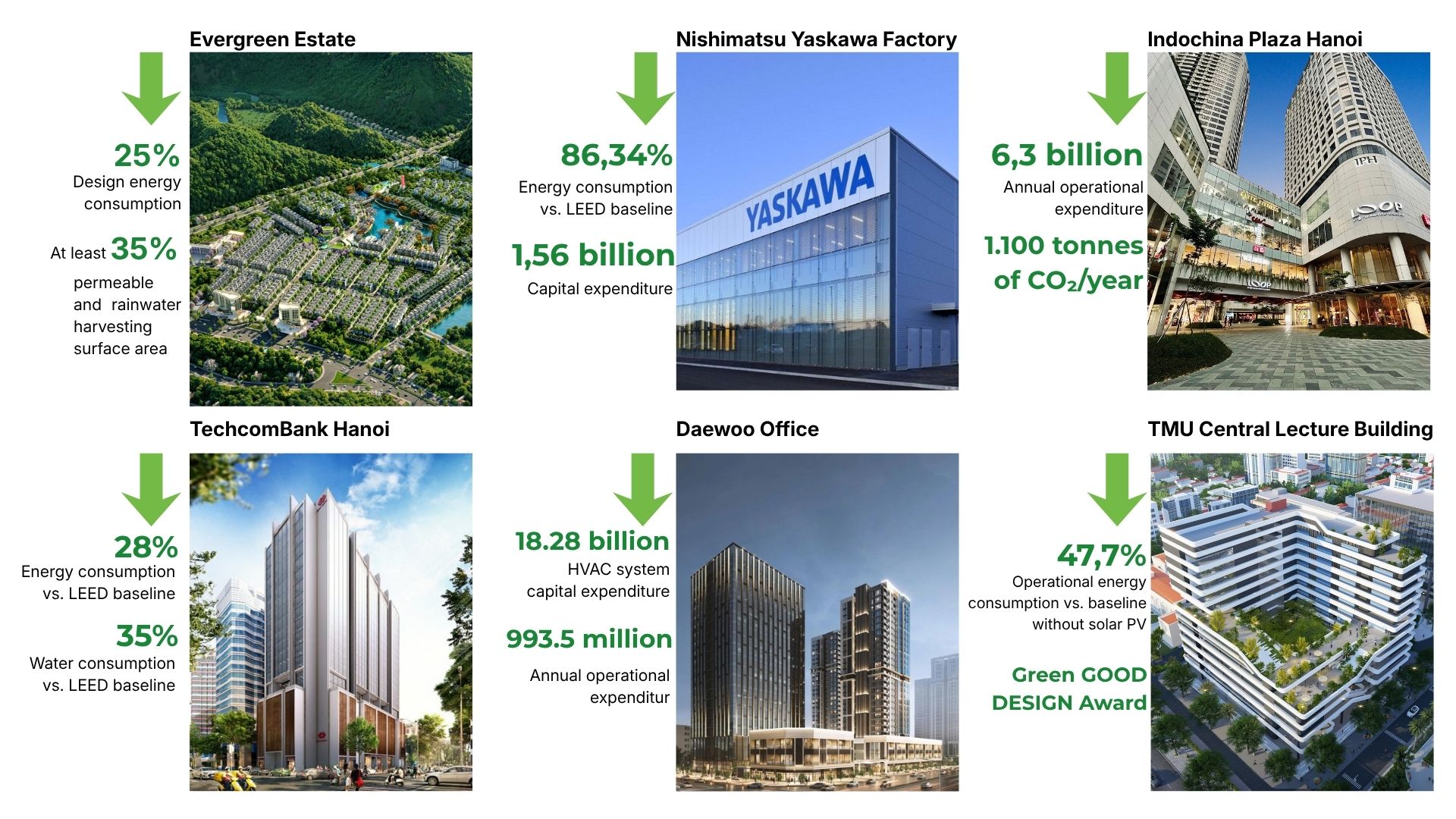
To assess whether your project is suitable for LEED and where to begin, Edeec provides a Pre-assessment service that gives the Developer an initial implementation roadmap and a realistic cost picture before making the investment decision. Contact Edeec
=====
Related articles: