RESOURCES
The Difference Between LEED for Buildings and LEED for Communities: 9 Criteria You Need to Know
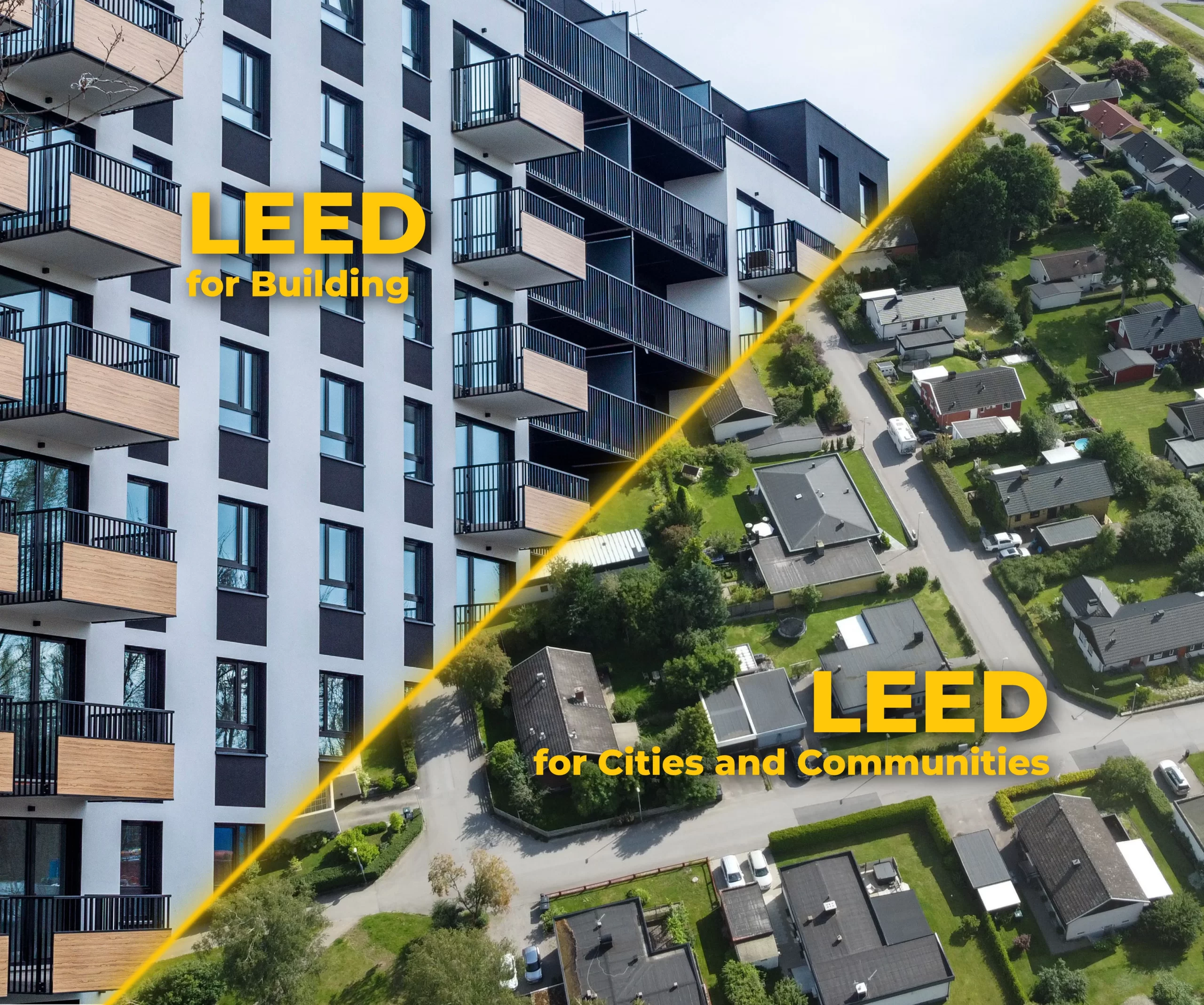
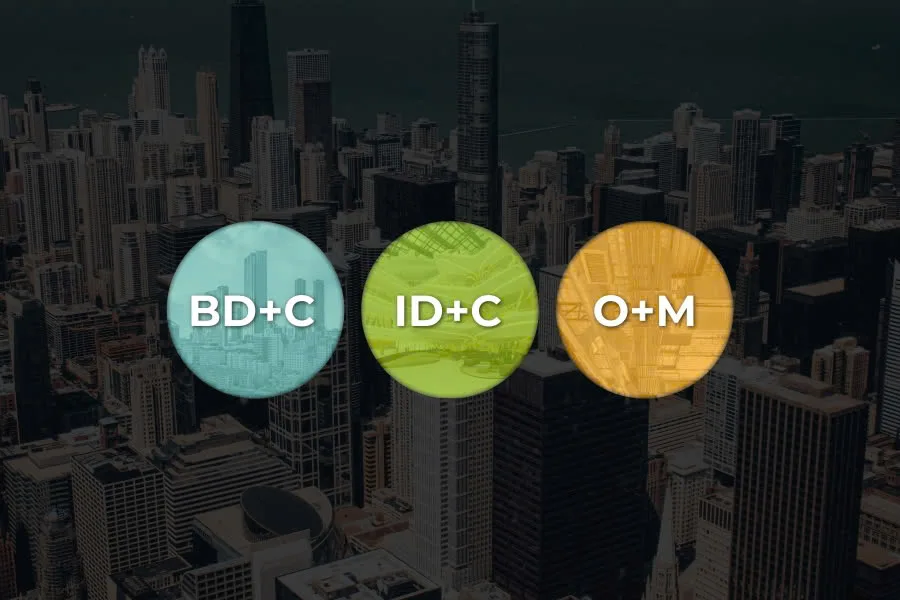
Although LEED has been widely deployed around the world — with LEED for Buildings focusing on the performance and sustainability of each individual building – LEED for Communities (LfC) extends the assessment scope to the scale of an entire township or community, covering planning, infrastructure, energy, transportation, and quality of life.
However, in Southeast Asia – and Vietnam in particular – the number of projects that have pursued and achieved LfC certification remains very limited, and developers who have obtained this certification are still extremely rare. This article clarifies the difference between LEED for Buildings and LEED for Communities, so the Developer can identify the right rating system for their project’s scale.
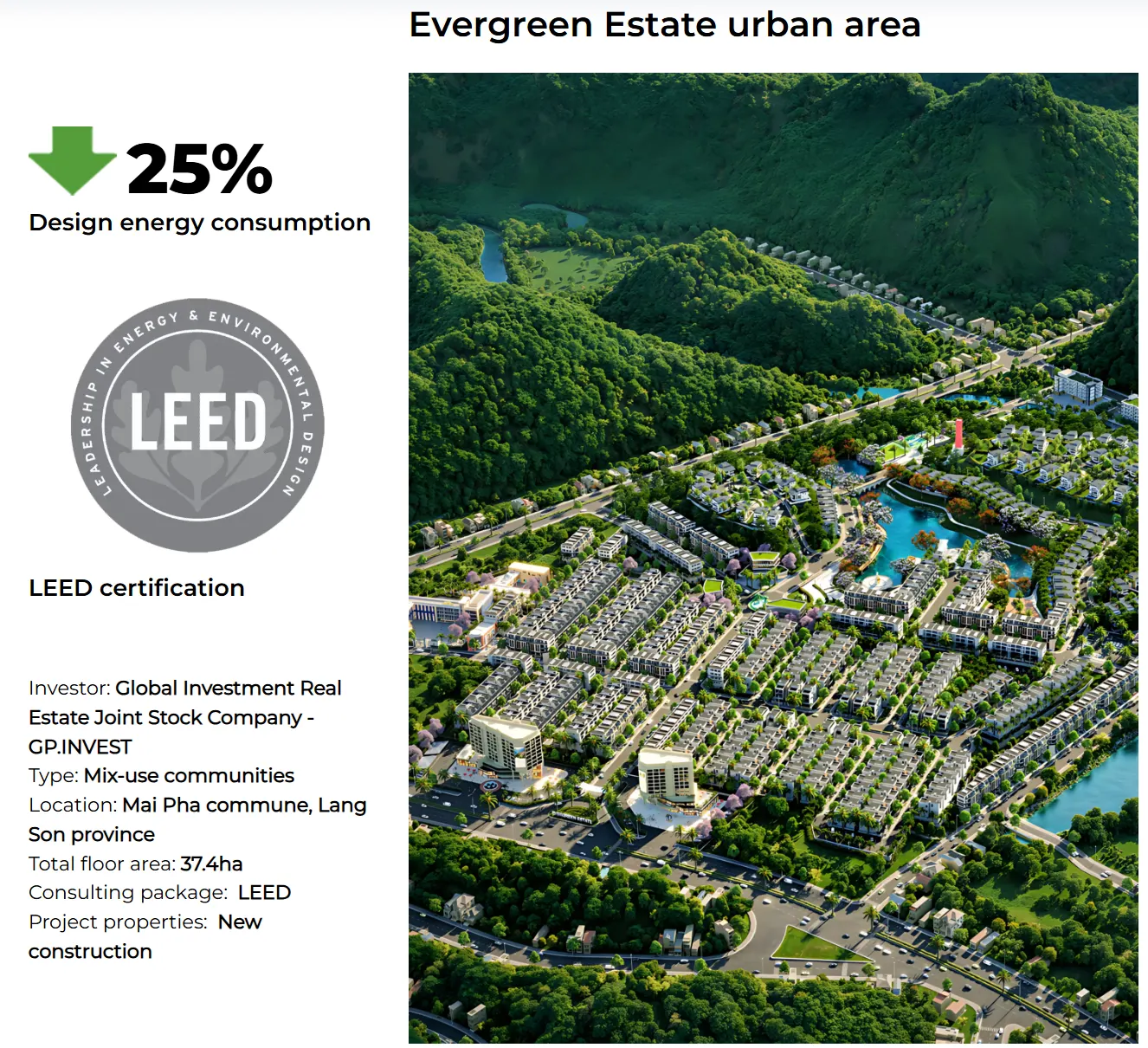
2026 marks a first in Vietnam (also a first in Southeast Asia): a Mix-use Communities meeting the LEED for Communities standard. Edeec is honored to have been selected to accompany the Evergreen Estate urban area project as its green building certification consultant.
What Are LEED for Buildings and LEED for Communities?
LEED for Buildings focuses on the performance of each individual building. Its criteria mainly cover energy efficiency, water efficiency, building materials, indoor environmental quality, and building operations.
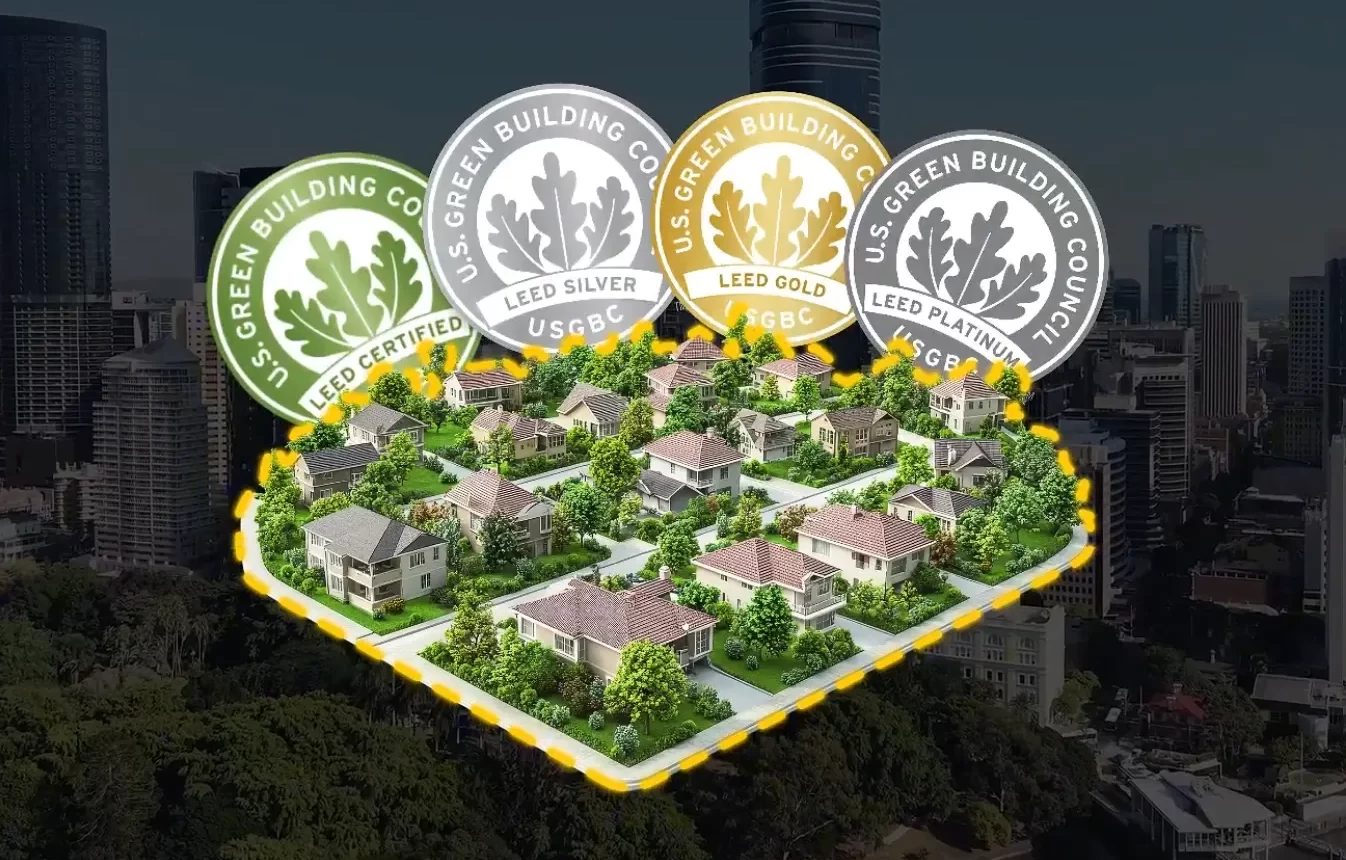
LEED for Communities extends the assessment scope to the township, industrial park, or community level and above. It assesses sustainability performance at the planning and infrastructure scale, including land-use planning, transportation, energy, water, waste, environment, economy, society, and climate-change adaptability.
LEED for Communities Assessment Criteria
- Integrative Process
- Natural Systems and Ecology
- Transportation and Land Use
- Water Efficiency
- Energy and Greenhouse Gas (GHG) Emissions
- Materials and Resources
- Quality of Life
- Innovation
- Regional Priority
Practical Benefits of LEED for Communities (Applied to Industrial Parks)
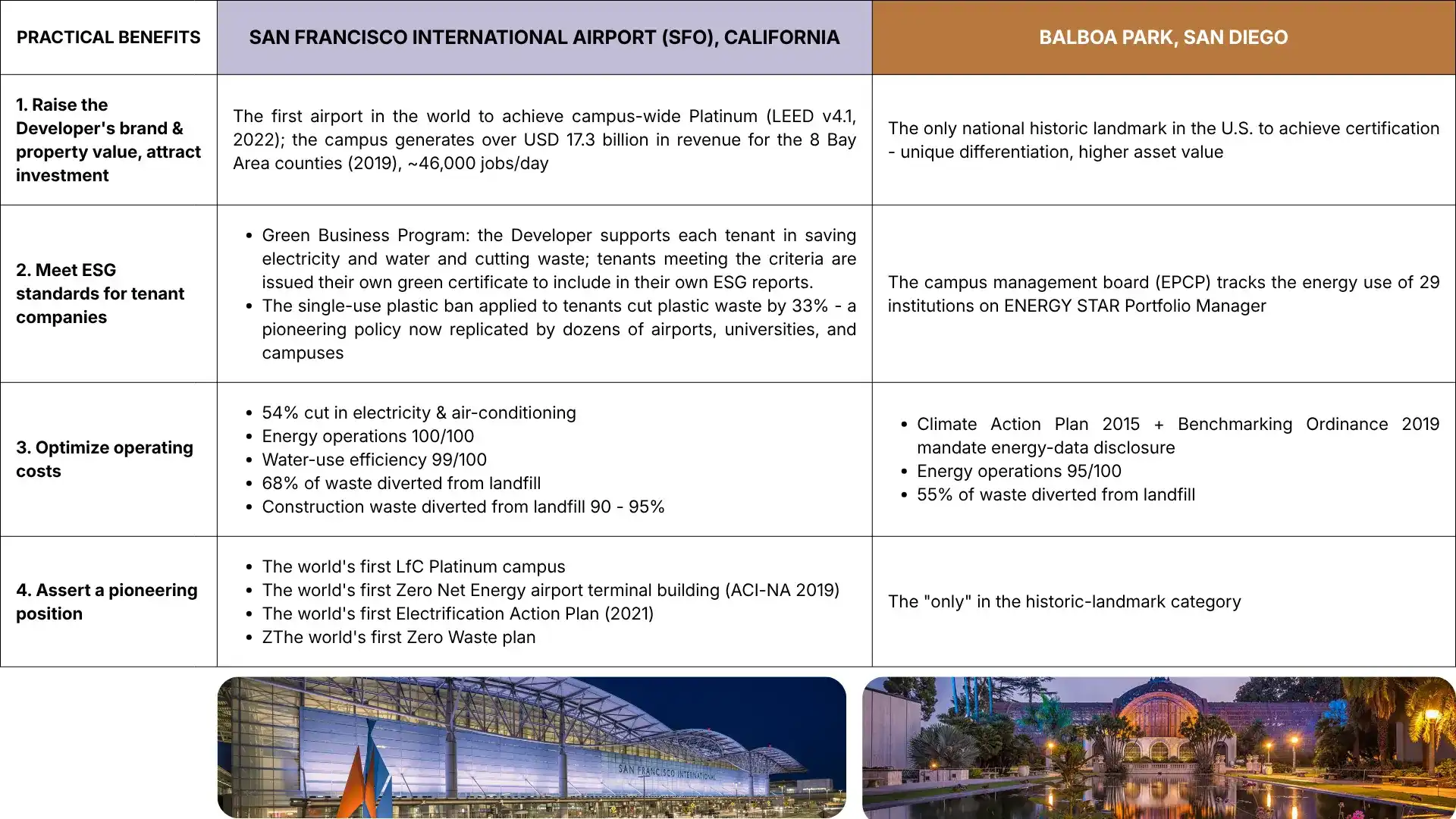
- Raise the Developer’s brand value and the project’s real estate value, attracting investment capital.
- Meet ESG standards for industrial park tenants.
- Optimize operating costs: improve the operational efficiency of power, water, and waste management systems — saving costs in the long run while reducing negative environmental impacts.
- Assert a pioneering position: an opportunity to become the first industrial park project in Southeast Asia to achieve LEED for Communities certification, strengthening competitive advantage and meeting international green standards.
To see this most clearly, compare the four benefit groups above against the actual operating data of two LEED for Communities-certified projects: San Francisco International Airport (SFO) and Balboa Park, San Diego — summarized in the infographic below.
The Risks the Developer Will Resolve
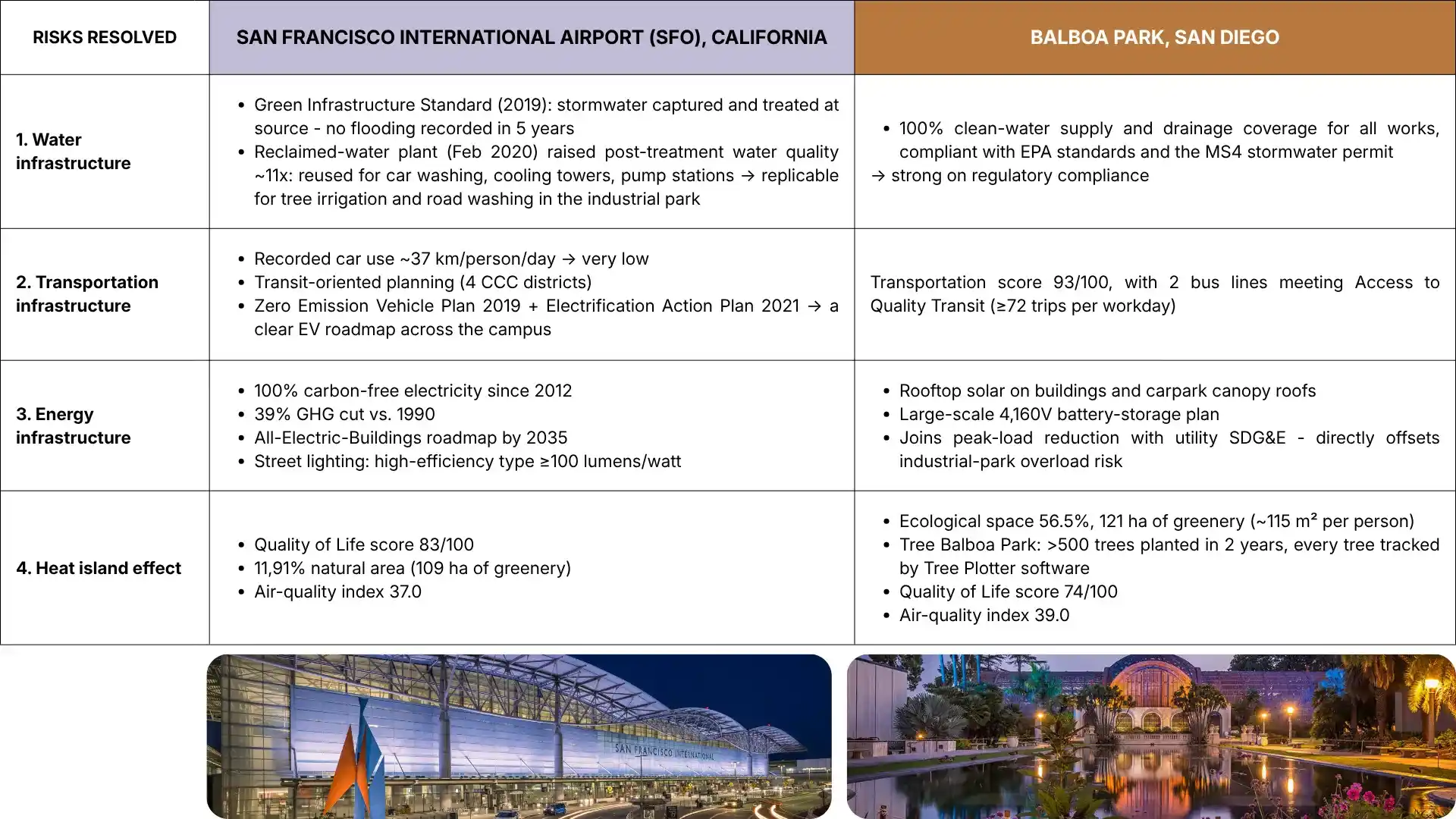
- Water infrastructure: reduces the risk of industrial park flooding, thereby easing pressure on the city’s drainage system. Stormwater can be reused for tree irrigation (helping conserve clean water).
- Transportation infrastructure: increases electric-vehicle use, connects the industrial park to public transit, and encourages reduced dependence on private vehicles.
- Energy infrastructure: installing solar panels helps cut electricity demand, reduce the risk of peak-hour power overload, and lower GHG emissions.
- Urban heat island effect: meeting LEED’s tree-cover ratio and using materials with a high SRI (Solar Reflectance Index) help the project minimize urban heat island risk, keeping the industrial park cooler than surrounding areas.
See the infrastructure risk groups that LEED for Communities has resolved, backed by real data (illustrated in the infographic below):
Projects Edeec Has Successfully Advised
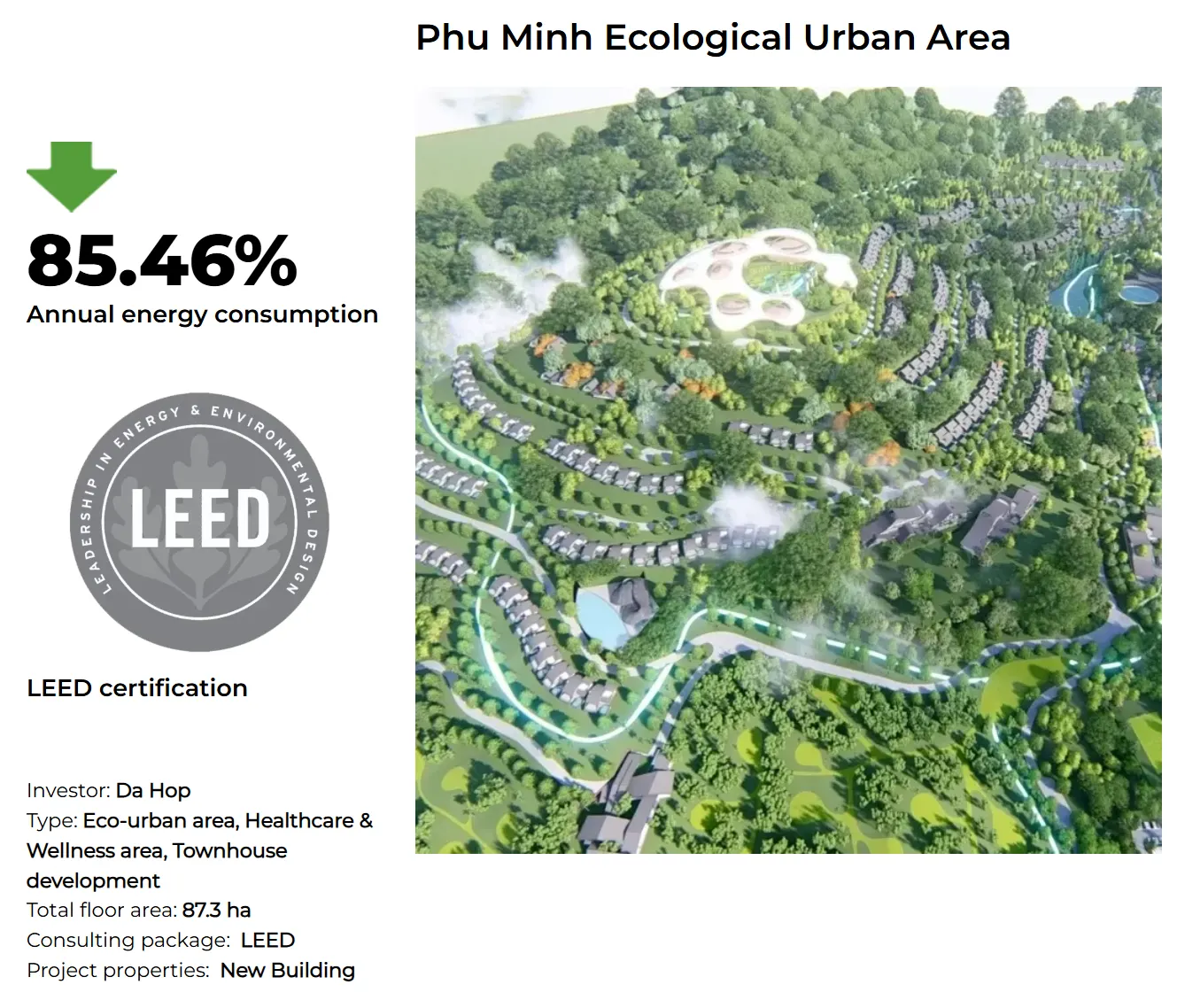
Edeec’s green building certification consulting capability has been proven across many real projects in Vietnam. Let’s revisit below the two LEED-certified township projects that Edeec has accompanied:
Conclusion
Applying LEED for Communities (LfC) gives the project a development direction aligned with international sustainability standards, while creating a basis to optimize operating costs and improve the efficiency of infrastructure, resource, and environmental management. This is also a key advantage that raises the industrial park’s brand value and attractiveness to investors.
In particular, if implemented successfully, the project has the opportunity to become the first industrial park in Southeast Asia to achieve LEED for Communities certification – creating a pioneering mark in the market and affirming its capability for sustainable industrial park development.
Be proactive and pioneering in setting your project’s sustainable development direction: research and integrate LEED for Communities right from the planning stage.
Contact us now for advice on the strategy, process, and cost-optimization solutions when implementing LEED for Cities & Communities.
=====
Related articles: