RAICO VIETNAM FACTORY
RAICO VIETNAM FACTORY
 56.79%
Factory Operational Energy Consumption
104.08%
Administration office Energy Consumption
LEED Gold & LEED Net Zero Energy
RAICO VIETNAM FACTORY
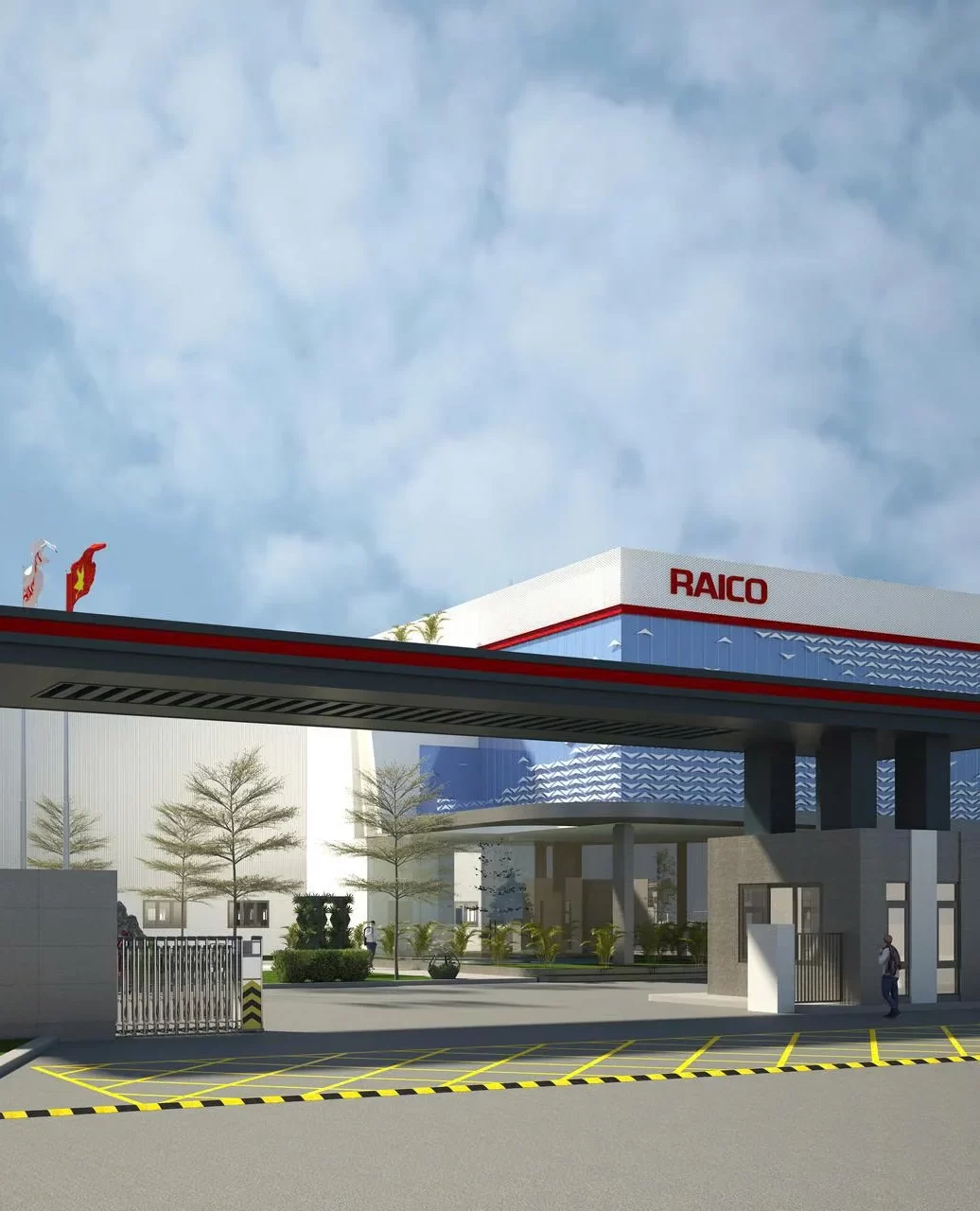
Investor: RAICO Vietnam Co., Ltd.
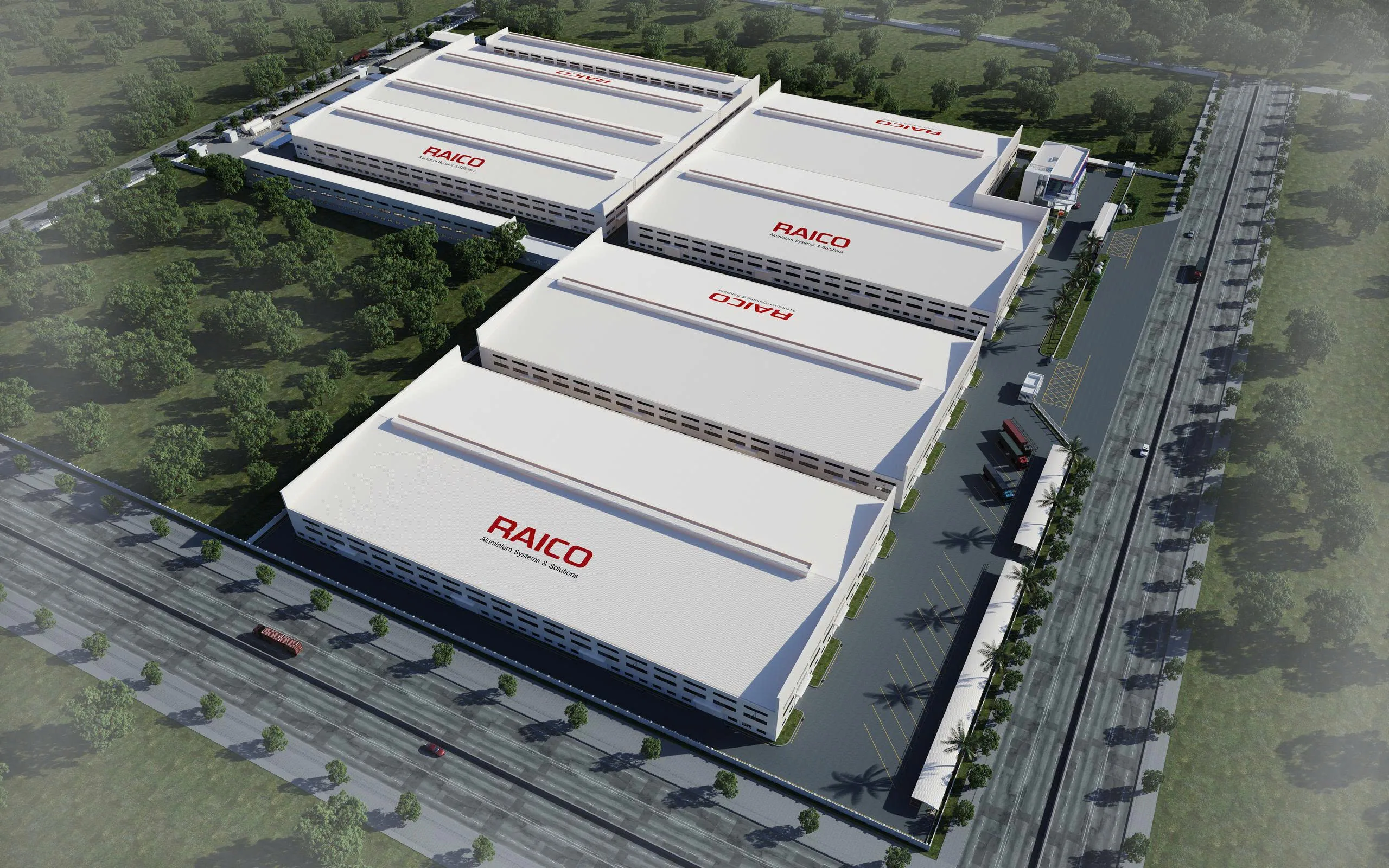
Type:Factory & Administration Office
Location:Tam Hiep Industrial Park, Nui Thanh District, Da Nang, Vietnam
Total floor area:75.577,2 m²
Consulting package: LEED Gold & LEED Net Zero Energy
Project properties: New Building
RAICO VIETNAM FACTORY
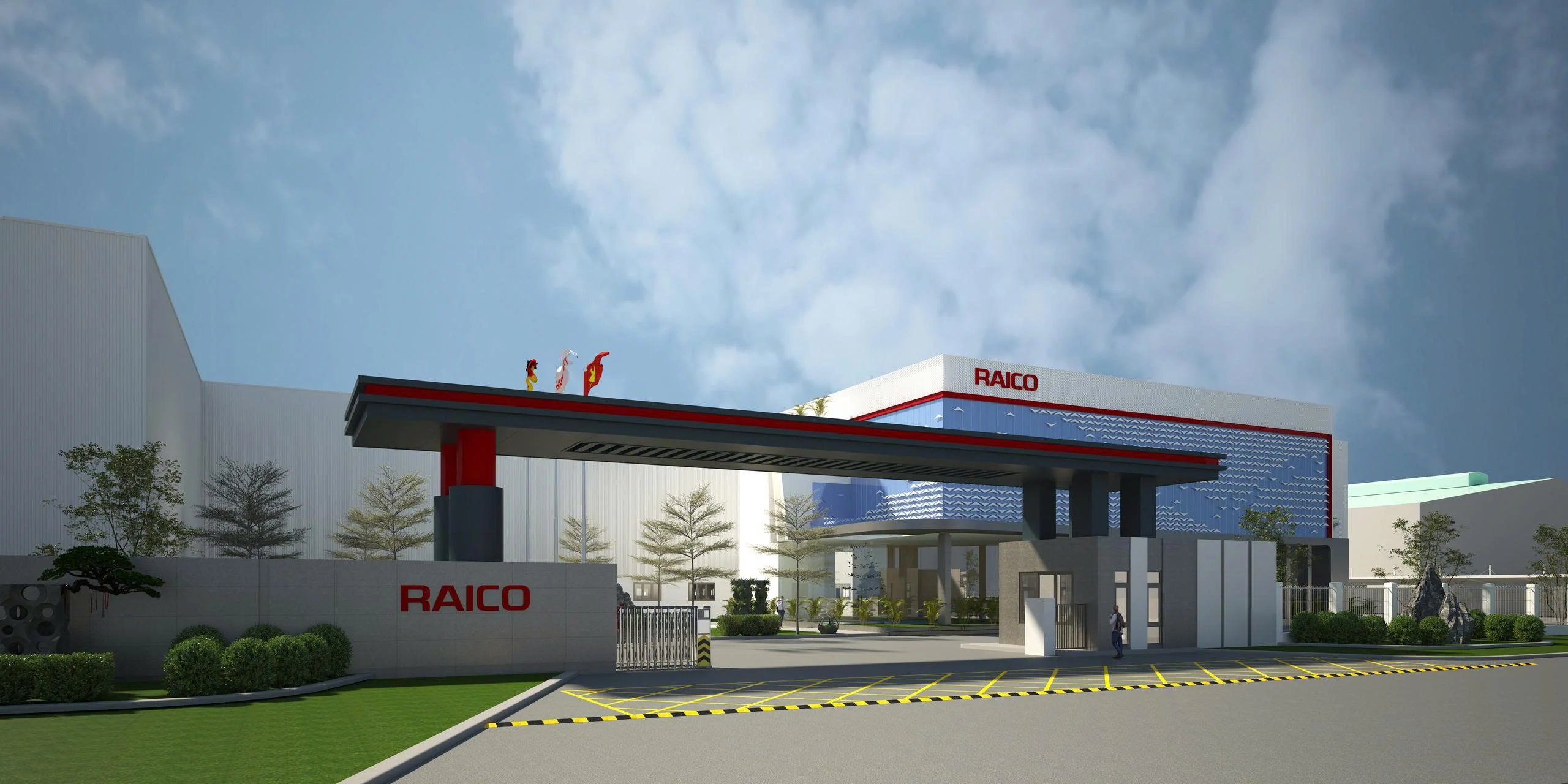
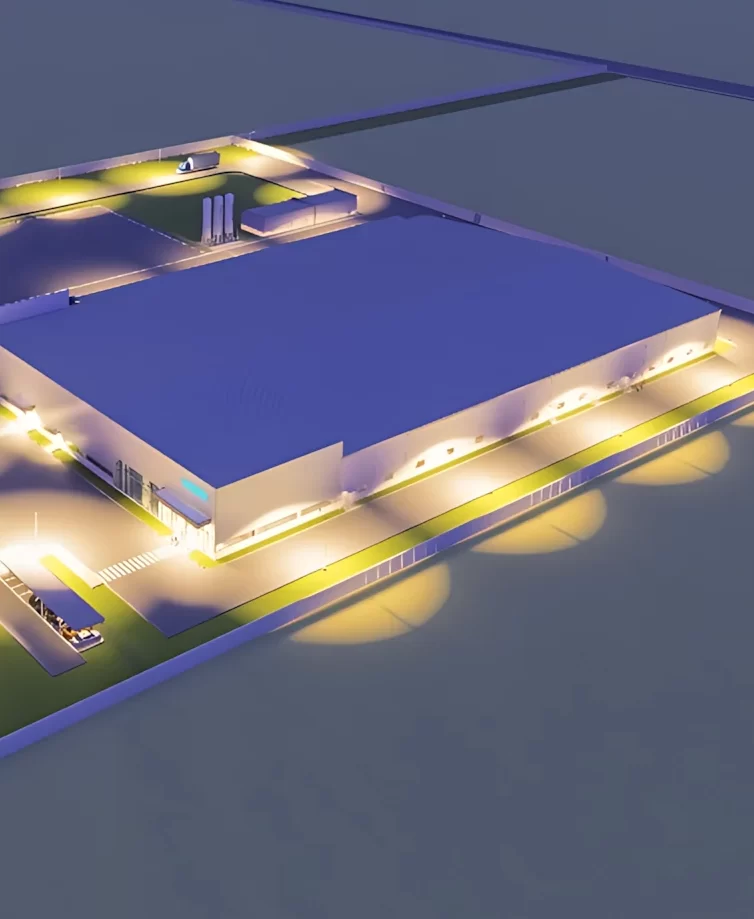
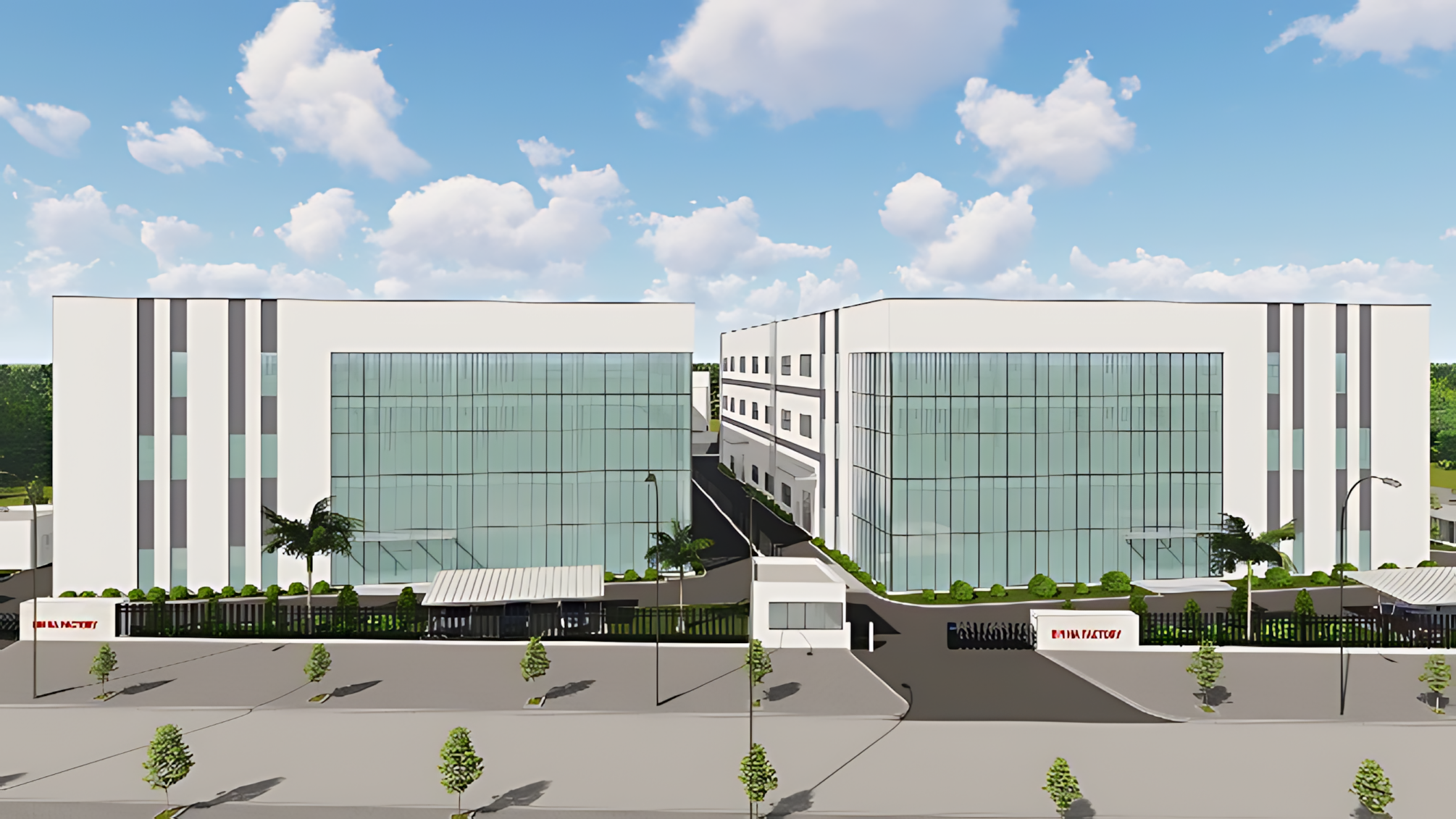
The project is being developed with the vision of becoming a benchmark for modern manufacturing facilities, where production efficiency is seamlessly integrated with sustainability principles. From the early design stage, energy optimization strategies, indoor environmental quality enhancements, and environmental impact reduction measures were comprehensively incorporated to create long-term operational value for the Owner.
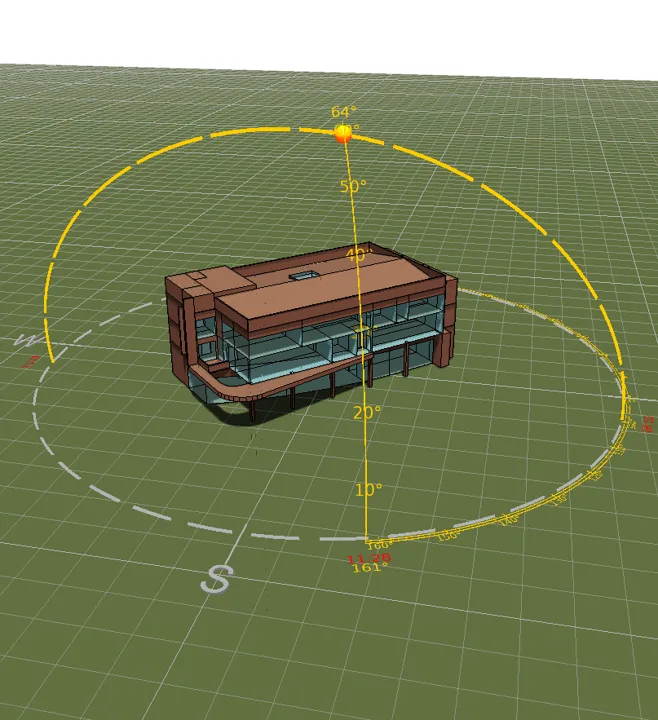
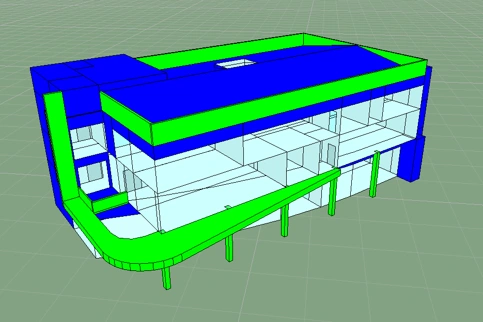
Targeting LEED Gold Certification, the project not only complies with the stringent technical requirements of a green building but also establishes a high-quality working environment for employees, setting itself apart from conventional industrial facilities. In particular, the administration office building is designed to achieve Net Zero Energy performance, demonstrating the Owner’s strong commitment to a long-term sustainability strategy.
Following the development of both the Proposed Building Model and the Baseline Building Model, EDEEC conducted comprehensive energy simulations and analyses, leading to the implementation of the following integrated design strategies:
- Installation of a large-scale rooftop photovoltaic (PV) system (approximately 12,000 m² for the factory building and 850 m² for the administration office), serving as the primary contributor to offsetting energy consumption and achieving the Net Zero Energy target.
- Adoption of double-glazed insulated glass units (IGUs) with a low Solar Heat Gain Coefficient (SHGC < 0.22), combined with Neotech insulated brick walls and high-reflectance light-colored roofing materials to minimize solar heat gains and reduce cooling loads.
- Application of a high-efficiency Variable Refrigerant Flow (VRF) air-conditioning system integrated with LG heat recovery technology.
- Outdoor air is filtered through MERV 13 filters and supplied directly to individual spaces, ensuring superior ventilation performance and indoor air quality.
- Use of high-efficiency water fixtures to reduce potable water consumption. The fire protection water storage tank is utilized for rainwater harvesting, providing irrigation water for the factory’s landscape areas through an automated irrigation system.
- Commitment to using low-VOC or certified low-emitting materials, including paints, coatings, adhesives, and interior finishes. Combined with solar shading devices and maximized daylight utilization, these measures contribute to protecting occupant health and well-being.
The energy simulation results of the current design and optimization strategies demonstrate exceptional building performance outcomes, significantly exceeding expectations.
COST SAVINGS
- Reduced HVAC system capacity lowers installation labor costs and associated auxiliary equipment costs, resulting in an estimated capital cost reduction of approximately VND 1.2 billion.
- Reduced heat transfer and solar heat gain through optimized glazing and wall assemblies can lower equipment investment costs by approximately VND 390 million. A total saving of approximately VND 2.53 billion can be achieved after completing HVAC and façade design optimization.
- Under the current design scenario, the photovoltaic system investment required to achieve the Net Zero Energy target is estimated at approximately VND 5.2 billion.
ENERGY PERFORMANCE
- The factory building achieves a 56.79% reduction in energy consumption, while the administration office achieves a 104.08% reduction compared with the ASHRAE baseline model, earning the maximum score available under the LEED Energy category.
- Overall energy consumption is reduced by approximately 26.3% compared with the current design, lowering the Energy Use Intensity (EUI) to an optimized level of 108.41 kWh/m²/year.
- The integrated optimization of the building envelope façade and heat recovery systems delivers up to 40% electricity savings, including an 18% reduction in HVAC energy consumption alone.