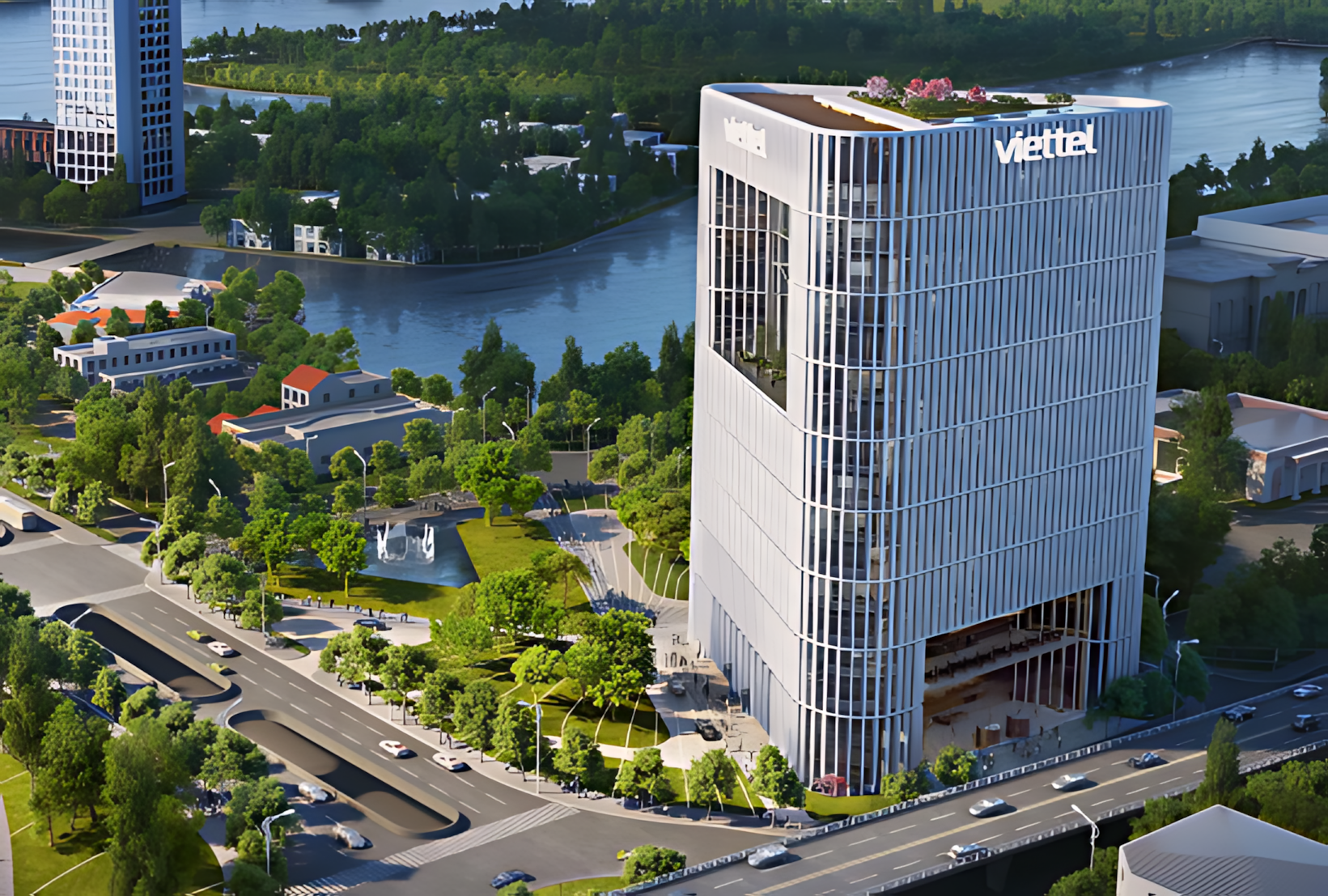
VIETTEL DA NANG OFFICE BUILDING
VIETTEL DA NANG OFFICE BUILDING
 11.17 millions VNĐ
Investment costs
35.6 %
Total energy consumption

LEED certification
VIETTEL DA NANG OFFICE BUILDING
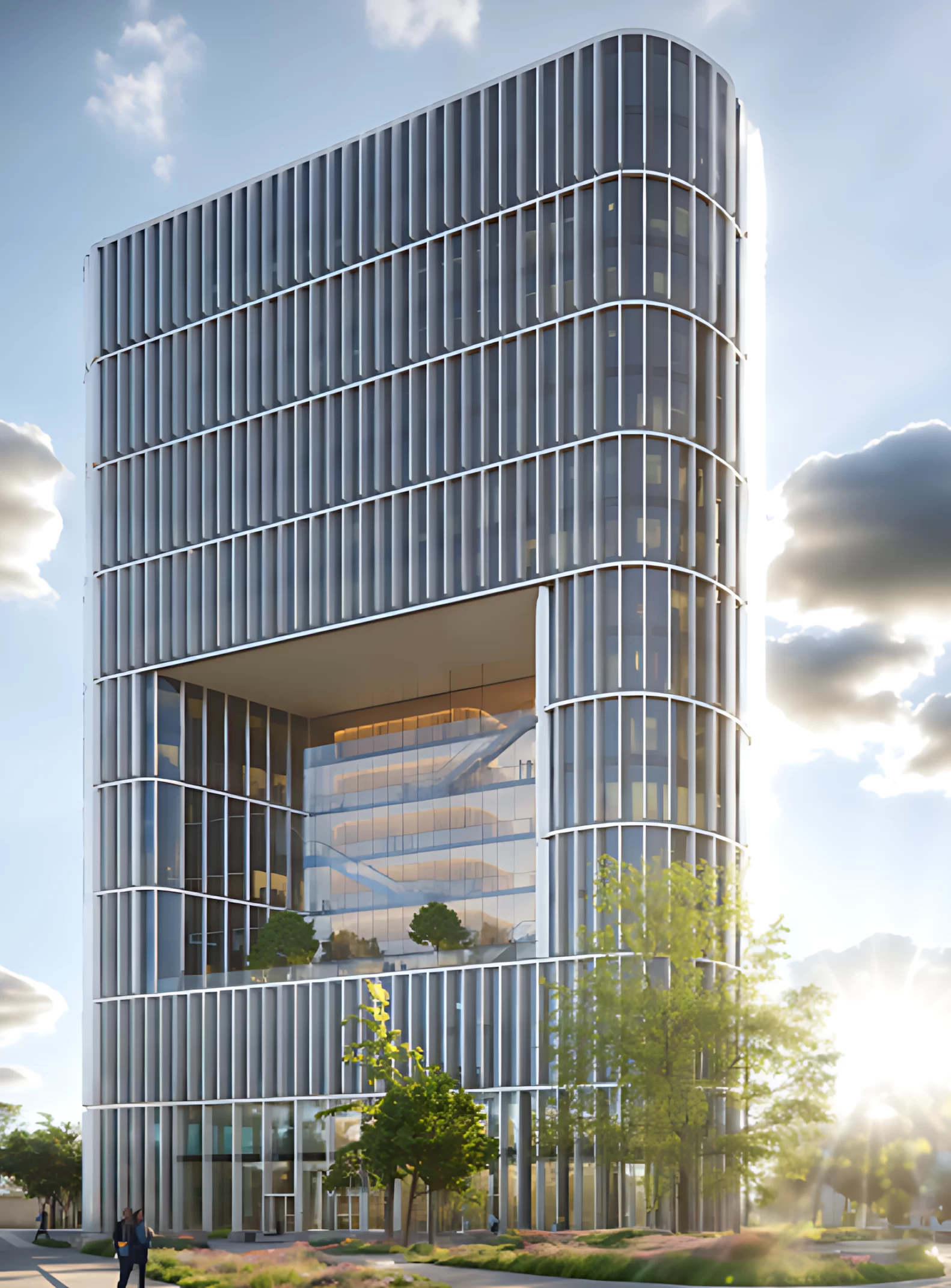
Investor: Viettel Group
Type:Office Building
Total floor area:37.500 m²
Consulting package: LEED & Cost optimization calculation
Project properties: New Building
VIETTEL DA NANG OFFICE BUILDING
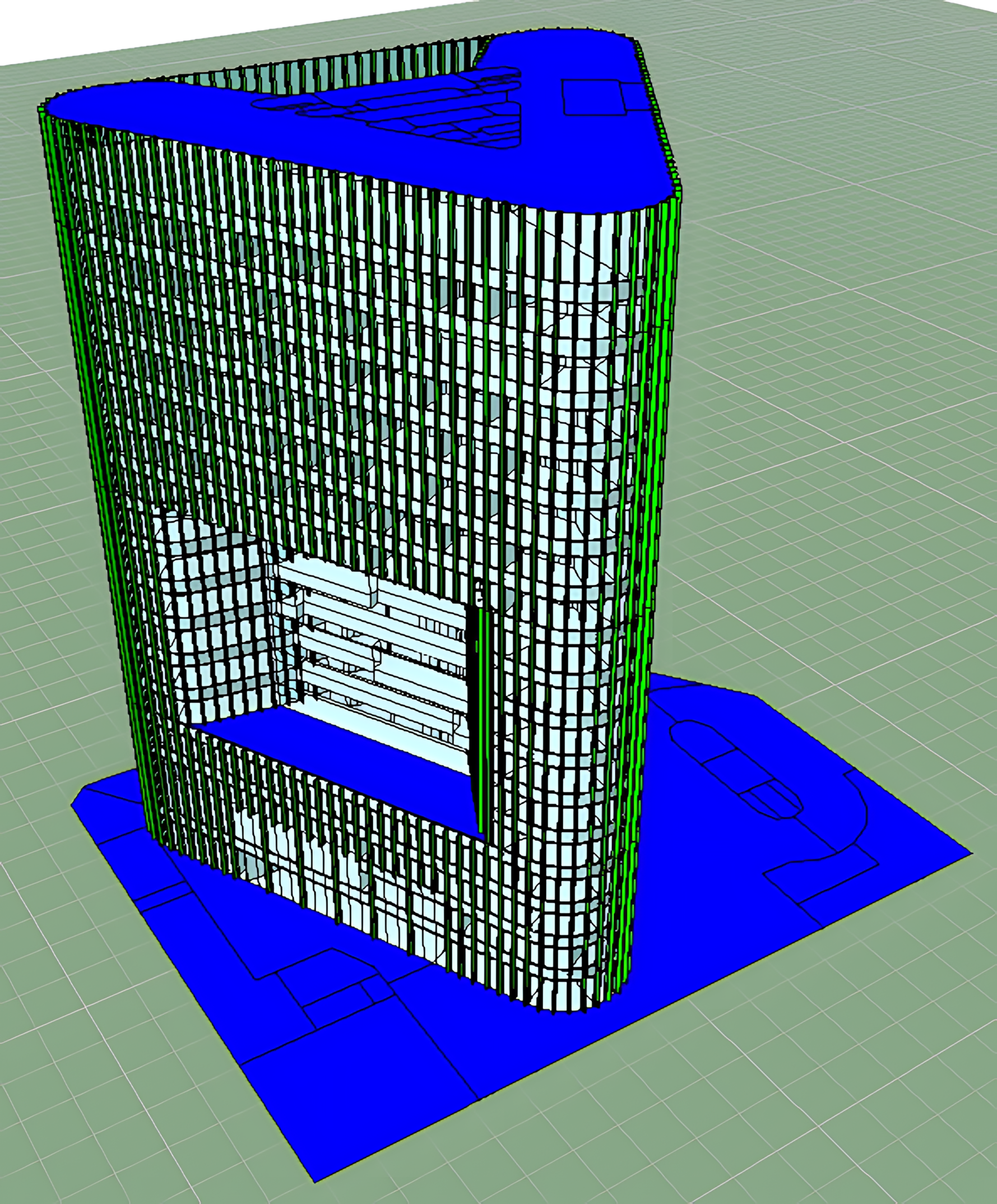
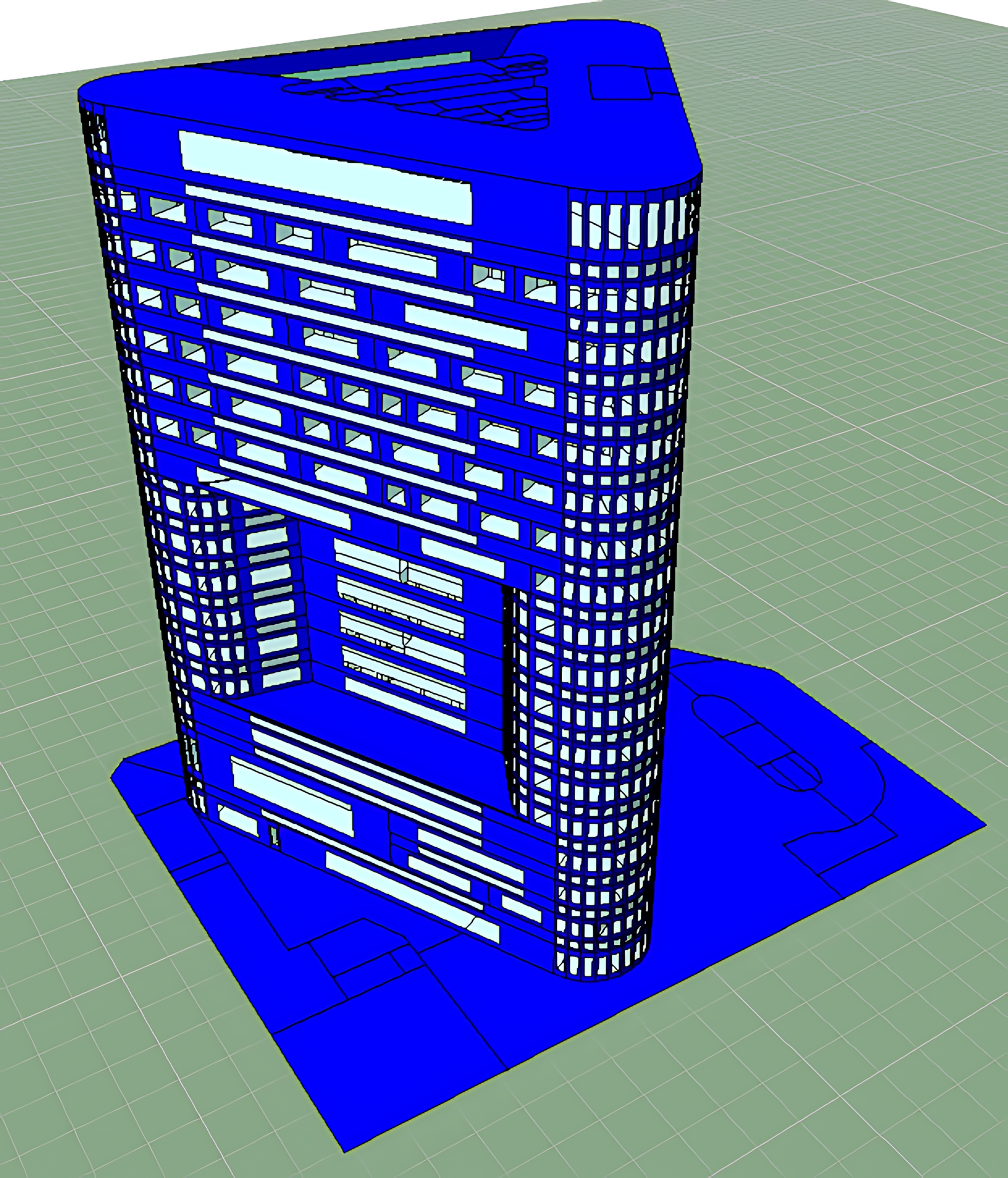
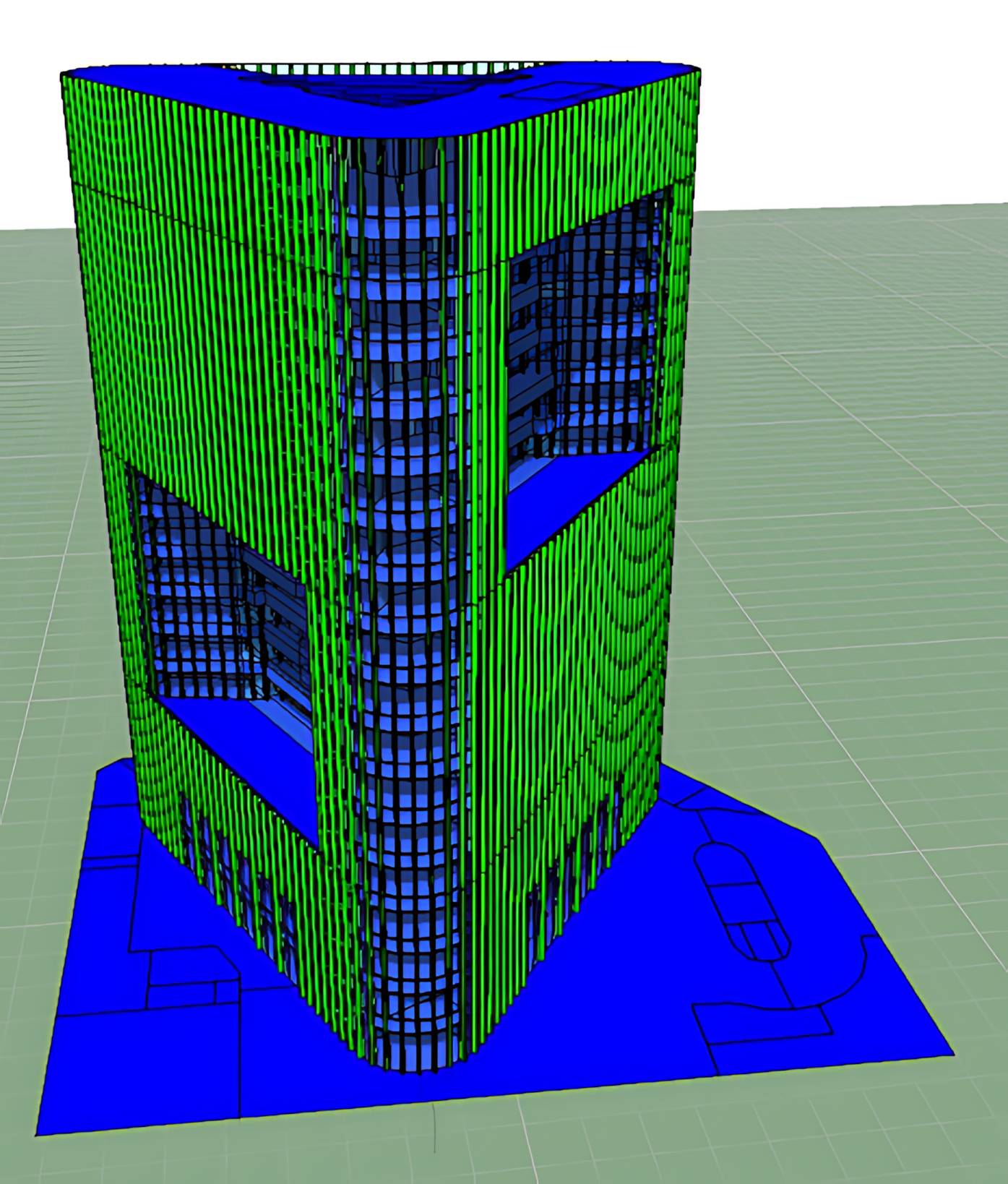
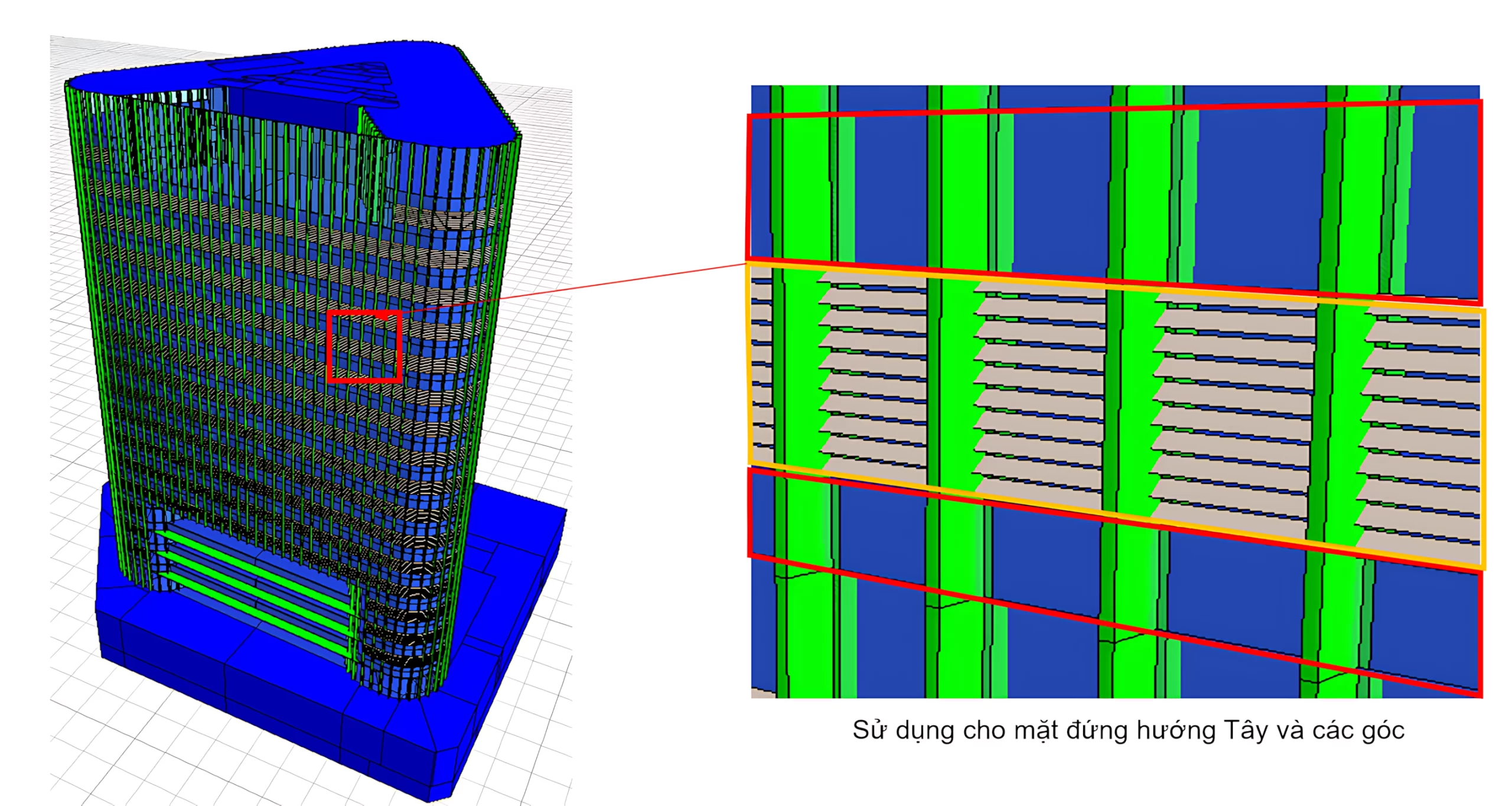
During the project implementation phase, Viettel Da Nang is oriented toward developing the building according to the criteria of optimizing energy efficiency, reducing emissions, and enhancing operational performance through facade design solutions, technical system optimization, and integration of energy-saving solutions. The project focuses on improving the building envelope performance, controlling heat loads, and reducing operational energy consumption, aiming for an energy-efficient and environmentally friendly building model.
After establishing the proposed model and the baseline model, conduct energy simulation and compare the energy efficiency of the current design solutions. Preliminary energy simulation results: Reduce 35.6% of total energy use compared to the baseline.
Table listing the options proposed by EDEEC
| Option 1: Current design | Option 3: Optimized control | |
| Facade system | Glass SHGC 0.22, VLT 0.4 | Glass SHGC 0.22, VLT 0.4 |
| Heat recovery equipment | 70% sensible heat, 70% latent heat | 82% sensible heat, 84% latent heat |
| Chiller system operation | According to the design of the MEP consultant, Chilled water: 7/12°C, Condenser water: 32/37°C, Refer to Chiller ZUW | Chiller control optimization, Refer to Chiller ZUW |
| Cooling load | According to the machine layout of the MEP consultant | Recalculate + Preliminary optimized control calculation |
EDEEC has closely collaborated with the investor to select optimal green strategies, ensuring a balance between energy efficiency, investment costs, and operational feasibility. Through optimizing the building envelope solutions, lighting systems, and appropriate HVAC, the project not only enhances user comfort but also controls the budget well, helping to offset costs for other green items.
INVESTMENT COST FOR THE AIR CONDITIONING SYSTEM:
-
Total estimated investment cost can be reduced by 5.82 billion after optimizing the air conditioning system; chiller costs alone decrease by about 1.32 billion.
-
The cost of upgrading heat recovery 72/60 to a higher efficiency is almost unchanged.
-
Optimized control does not incur investment costs.
-
The reduction in total equipment volume can reduce labor costs and other auxiliary equipment in the air conditioning system.
-
Estimated cost reduction (simple temporary calculation like VRF, but chiller systems are more expensive and have more accessories): 5.82 billion (HVAC equipment), 2.91 billion (HVAC accessories, labor), 2.44 billion (auxiliary equipment, mainly electrical systems).
-
Total expected reduction is about 11.17 billion in investment costs, potentially more when going into details.
OPERATIONAL COSTS:
-
Accurately determining cooling demand leads to the reduction of operational costs for the air conditioning system.
-
Increasing heat recovery efficiency and optimizing chiller system control can reduce up to 2.45 billion in electricity costs per year compared to the current design.
ENERGY CONSUMPTION:
-
The option focuses on reducing the load demand of the air conditioning system. The optimized option shows an efficiency in reducing energy use by ~20% compared to the current design (equivalent to a saving of ~2.45 billion VND in annual operational costs).
-
Optimizing chiller system control does not incur much cost but can reduce additional energy consumption. The payback period for all solutions is less than 2 years.